
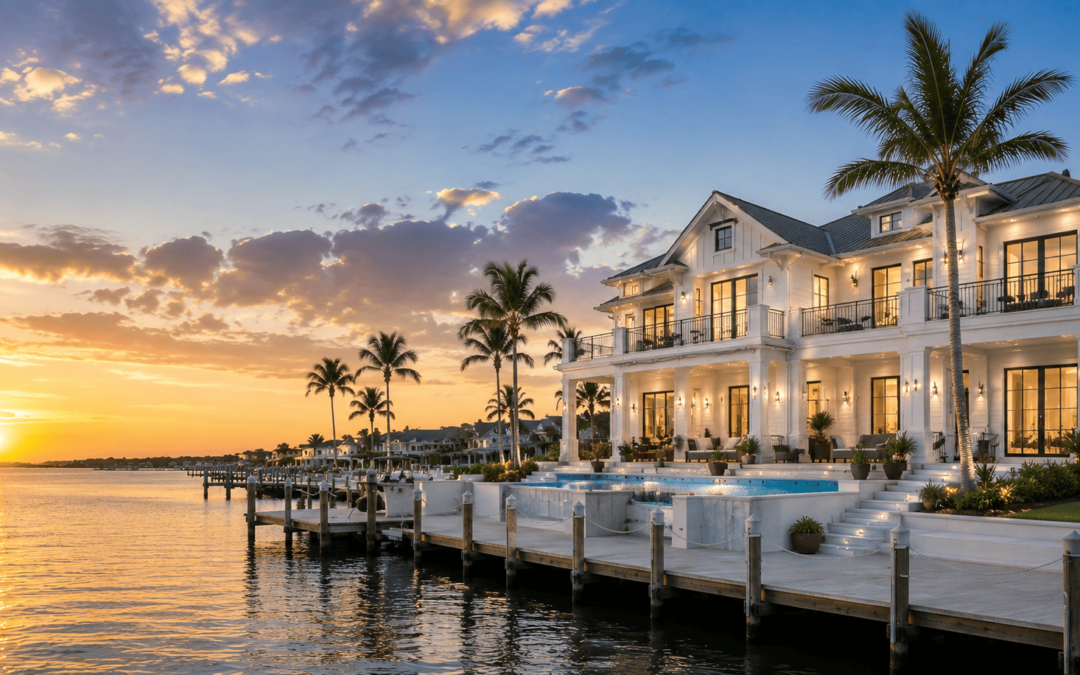
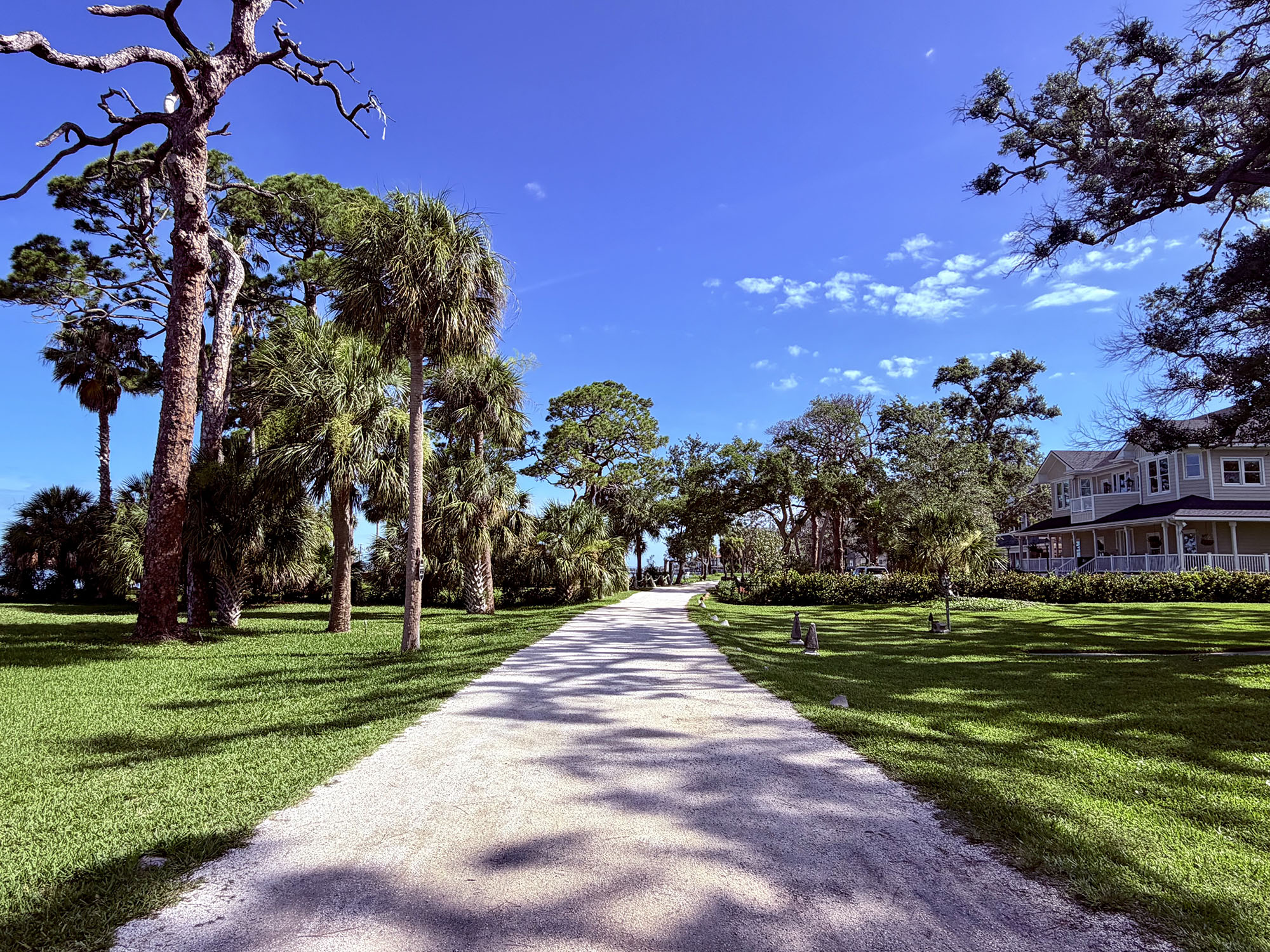
Crystal Beach is not a gated golf community and it is not Clearwater Beach. It is a small, unincorporated pocket on St. Joseph Sound, west of Palm Harbor, between Ozona and Tarpon Springs. The streets are a grid. Live oaks cover a lot of the interior lots. Neighbors pick up mail at the community post office instead of a row of boxes. Golf carts are normal. The Pinellas Trail cuts through. The waterfront park and fishing pier sit on the Sound.
That setting is why people want to build here. It is also why a custom home in Crystal Beach is not the same job as a spec house on a dry inland lot.
You are dealing with the county, not a city hall
Crystal Beach has no city building department. Permits, inspections, floodplain review, and zoning all run through Pinellas County. That is simpler than fighting two layers of government. It also means you follow county flood rules, county setbacks, and the Crystal Beach Community Overlay adopted in 2016.
The overlay is not a Destin-style design code that picks your porch rail. It is a comprehensive-plan overlay that tells the county to keep Crystal Beach low-density, protect the original grid and alleys, and treat the shoreline path along the Sound as a public feature, not leftover right-of-way. If you try to squeeze density or wipe a mangrove edge for a bigger pad, expect pushback. Build a single-family house that fits the street and you are usually in the game.
Most lots you will look at sit in R-3 or R-4. In plain terms: single-family is the default, minimum lots run about 5,000 to 6,000 square feet, typical setbacks are 20 feet front, 6 feet interior side, 10 feet rear, and height tops out at 35 feet. R-4 can allow a duplex or triplex on a larger parcel, which is why you see occasional double-lot listings advertised as split candidates. Confirm the exact zoning and future land use on the parcel before you write an offer. A 50-foot lot and a 90-foot corner lot do not build the same house.
Flood zone is a design input, not a line on a survey
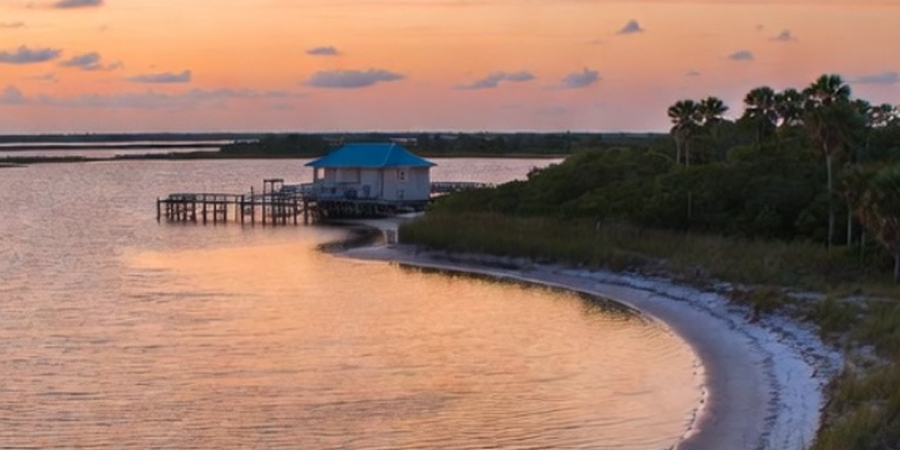
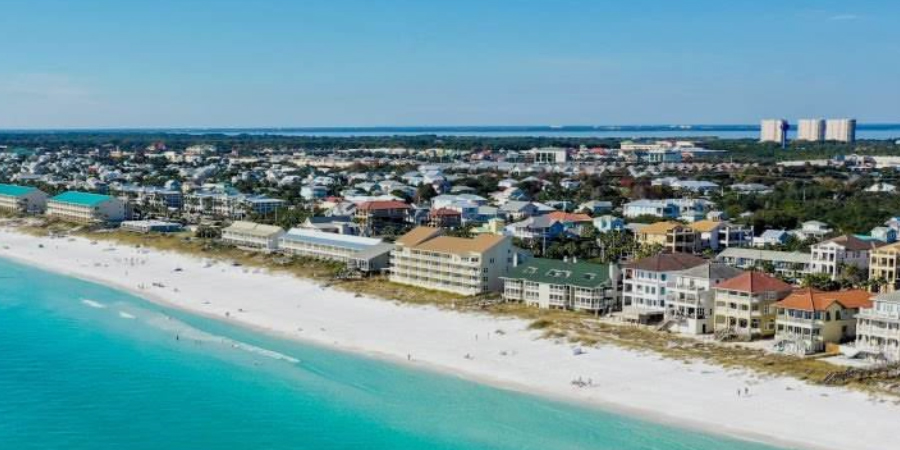
Waterfront and near-Sound parcels in Crystal Beach sit in AE or VE. VE is the coastal high-hazard band along St. Joseph Sound. Wave action is assumed. Construction is stricter: open foundation on piles or columns, living floor above base flood elevation, space below kept open or built with breakaway walls. AE still requires the lowest floor at or above BFE. Pinellas adds freeboard. Plan on BFE plus one foot as the starting number, not the ceiling.
That number drives everything. Stair runs, elevator shafts, garage placement, how the house meets the street, and what you can put under the house. A pretty one-story ranch sketch dies on a VE lot. An elevated coastal house with parking and storage at grade and living space 12 to 15 feet up is what the site wants.
Get the flood zone and an elevation certificate conversation started before you fall in love with a floor plan. Two houses on the same street can sit in different zones. Insurance quotes belong in the same folder as the lot contract. A federally backed construction loan will require flood coverage in a Special Flood Hazard Area. VE pricing and documentation are heavier than AE.
Crystal Beach also has a rainfall problem, not just a surge problem. The county approved its share of a $12.3 million drainage, road, and water project in June 2026 after nearly two decades of plans. The work runs from Crystal Beach Avenue to Florida Boulevard and from the Sound to Avery Bayou. That project is good news for future owners. It does not mean your lot is dry today. Walk the site after a hard rain. Ask what flooded in Helene and Milton. Some listings are teardown lots precisely because the existing house took a substantial-damage letter.
The lot is half the project
Vacant land in Crystal Beach is scarce. Interior buildable lots still show up. Waterfront and bayou lots are the prize and priced like it. Recent examples have ranged from a few hundred thousand for a small interior or canal-adjacent site to well over $2 million for a large Gulf-facing parcel. A lot with public water and sewer already at the street is worth more than a lot that still needs connections and impact fees.
Many original-plat streets have no HOA and no deed restrictions. That is a real advantage if you want a boat, an RV, a shop, or a golf-cart garage. It is not a license to ignore setbacks, tree rules, or wetland buffers. Mangroves and the Sound-side path are part of why the overlay exists. Budget a survey, a tree survey if the oaks are big, and a soils look before you lock a foundation type.
Seawalls and docks are separate permits and separate money. A lot advertised with a dock across the street is not the same as a lot with your own wall and slip. If you need Gulf access, confirm no fixed-bridge issues on the route you actually boat.
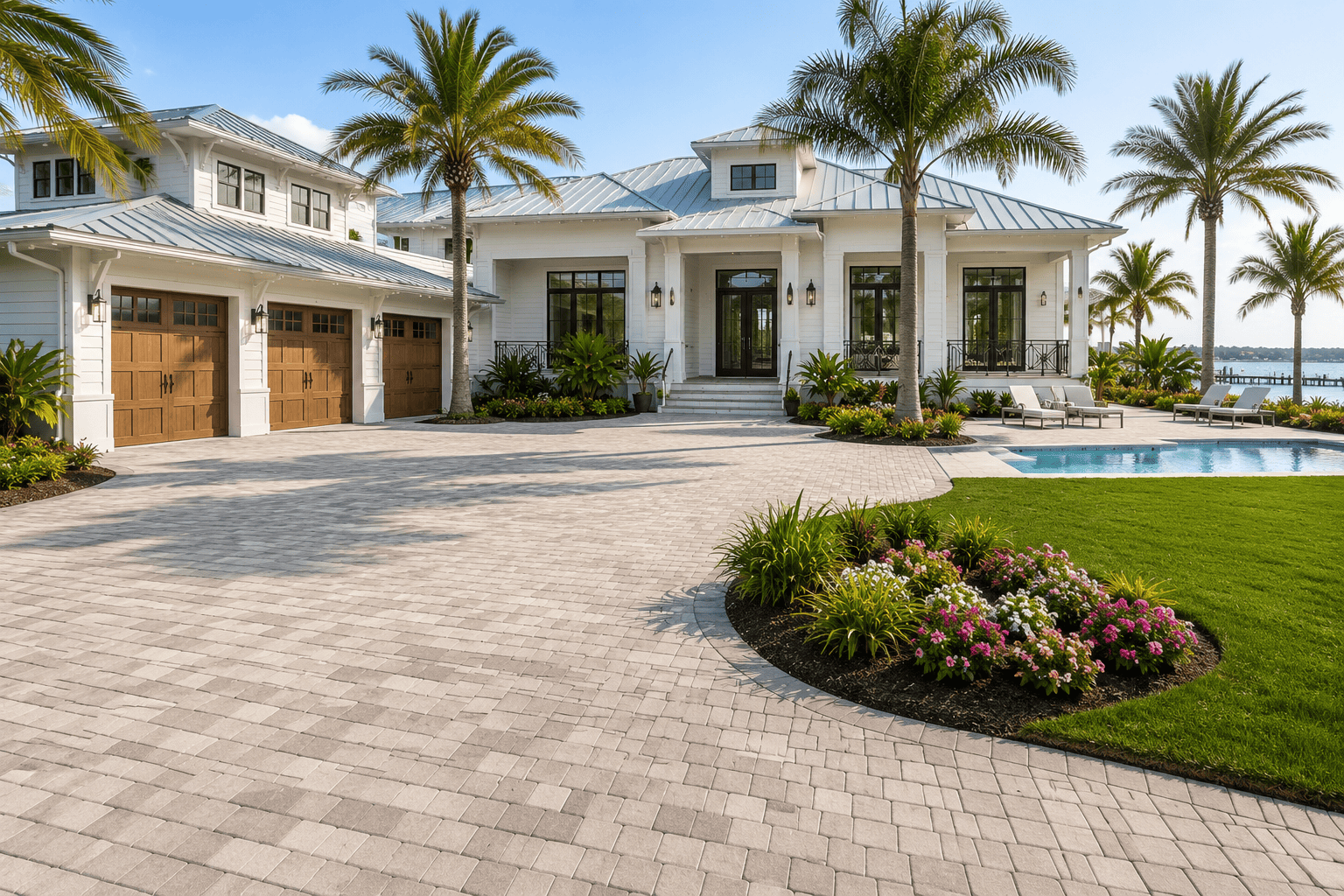
What the house should be built to do
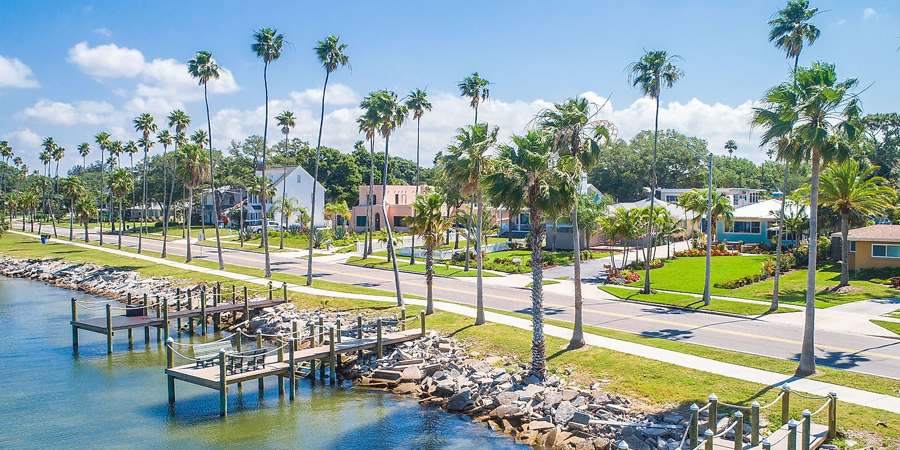
Crystal Beach buyers are not chasing a 12,000-square-foot statement house. They want a house that uses the oaks or the water, lives well in humidity, and does not become an insurance problem in five years.
That usually means:
- Elevation done right the first time, with a current elevation certificate at the end.
- Impact openings and a roof that meets current Florida wind code.
- Materials that take salt air. Cheap fasteners and untreated details fail here.
- A ground level that stores boats, carts, and gear instead of pretending it is livable finished space in a flood zone.
- A plan that respects the 35-foot height cap once the living floor is already up in the air. Height is measured to the rules in the county code, not to the number you sketched on a napkin.
- Outdoor living that works in summer, not just on a listing photo day.
Pinellas custom construction in 2026 is not $200 a foot if you want a real coastal house. Full custom inland work often lands in the $400 to $500 per heated square foot range. Waterfront, pile foundations, elevators, and higher-end finishes climb from there. Add site work, impact fees, the dock, the wall, and carrying costs on the lot while you wait on permits. A 10 to 18 month design-to-certificate timeline is a realistic planning number, longer if the site is VE or the plans bounce in review.
Who should be on the team
You want a builder who has pulled permits in unincorporated Pinellas and built in AE and VE, not someone who only works east of U.S. 19 on dry lots. You want an architect or designer who starts with the flood map and the setbacks, not with a Pinterest board. You want a surveyor who will produce the elevation certificate the county and the insurer will actually accept.
Ask for recent Crystal Beach or Ozona addresses, not a binder of houses in Wesley Chapel. Ask how they handle the 50 percent rule if you are buying a damaged house to tear down instead of a vacant lot. Ask who pulls the dock and seawall permits. Get construction-loan comps early. Appraisers in a small coastal pocket need nearby new-home sales, and Crystal Beach does not produce a dozen of those a year.
The honest trade
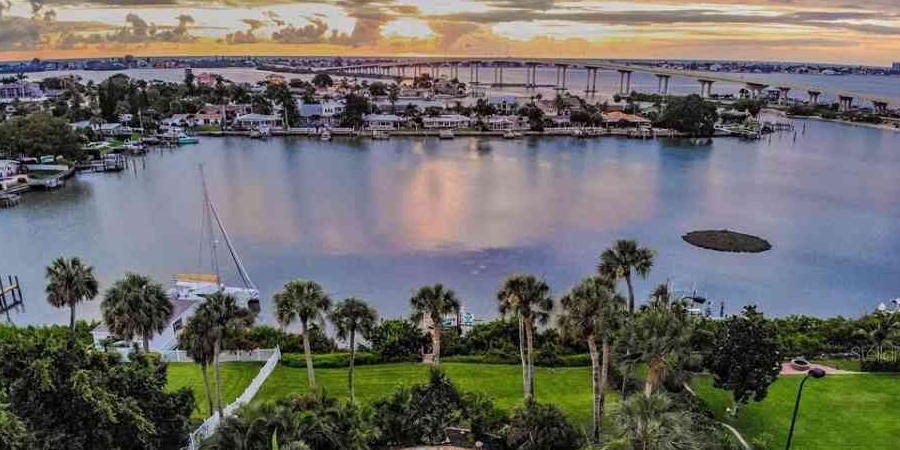
You are buying a slow street, Sound sunsets, trail access, and a community that still acts like a village. You are also buying low land, flood rules, a 35-foot lid, and a county process that does not move because you are in a hurry.
If that trade works, Crystal Beach is one of the better places in north Pinellas to build a custom house. If you need a big production lot, a homeowners association that mows everything, or a one-story slab on grade, look somewhere else. The Sound does not care about your floor plan. Build to the lot you actually have.