
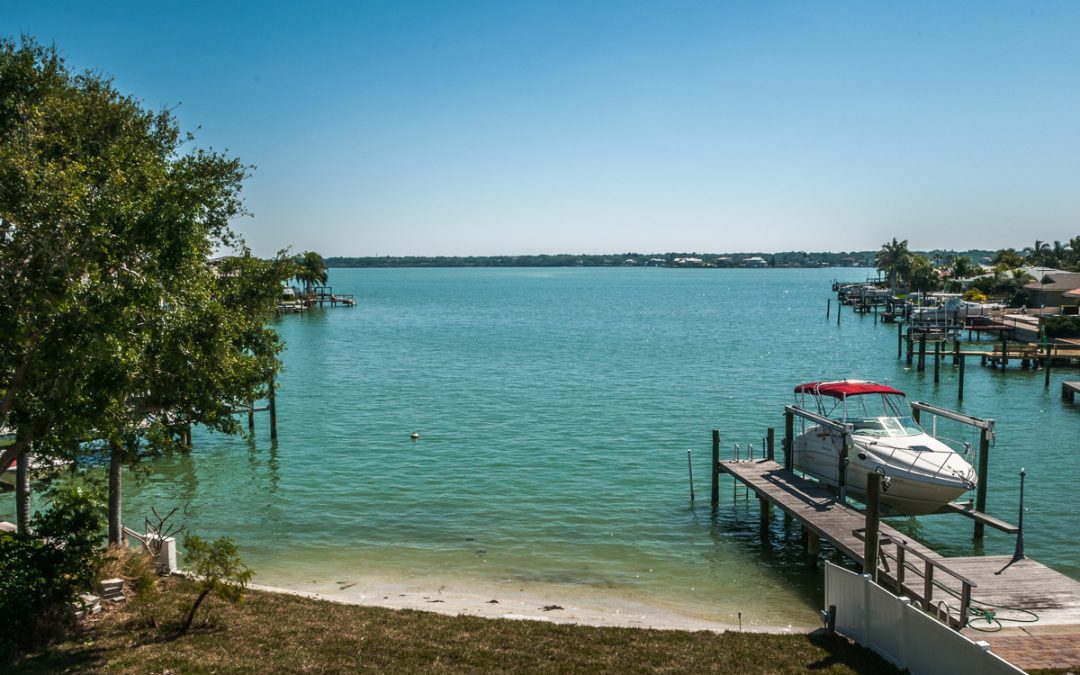
Pinellas County offers two very different kinds of waterfront living. Canal lots, common in places like Island Estates, the waterfront neighborhoods of Dunedin and Palm Harbor, and much of the Gulf beaches, give owners protected water, easier boating, and neighbors on the opposite bank. Open-water lots facing the Gulf, Clearwater Harbor, St. Joseph Sound, or Tampa Bay offer long views and big sunsets, along with more direct exposure to wind and waves.
Both can be wonderful places to build a custom home. They also lead to different design and engineering decisions. This article compares the two so you can understand what each lot type asks of the house, the site, and the budget. It is general information, and the specifics of any parcel should be confirmed with the county or city, a licensed engineer, and your builder.
Exposure, wind, and waves
The biggest difference between a canal lot and an open-water lot is exposure. A canal lot is usually sheltered by surrounding land and houses. Waves tend to be small, and wind is broken up by nearby structures and trees. An open-water lot faces a long stretch of water, sometimes called fetch, across which wind can build waves and push water toward the shore.
That exposure affects how the house is designed. All coastal homes in Pinellas must be designed for wind, but a lot facing open water may see higher wind exposure in the engineer’s calculations, and the location may fall in a flood zone with stricter rules. Where FEMA maps a coastal high-hazard area, such as Zone VE, wave action is expected, and construction typically requires an open foundation, such as piles or columns, with restrictions on what can be built below the lowest floor.
Canal lots are often mapped in Zone AE, where the main requirement is elevating the lowest floor to the required height. That is still a serious engineering exercise, but the foundation options are usually broader.
Foundations and site engineering
Foundation design starts with the flood zone and the soil. On a canal lot, the house may sit on a stem wall with fill, a raised slab, or piers, depending on the required elevation and the engineer’s recommendations. On open water, particularly in a VE zone, the foundation is usually designed to let water and waves pass beneath the structure, which shapes the ground level of the home.
Soil testing matters on both. Waterfront soils can include fill placed decades ago, layers of sand and shell, or softer material, and the engineer will design the foundation to suit what is found. Erosion is a larger concern on open water, where storms can move sand and undermine unprotected areas. A canal lot may have less erosion risk but often depends on the seawall to hold the bank in place.
Drainage is a concern on both lot types. Water from the roof, driveway, and yard has to be managed so it does not flow toward the house or overwhelm a neighbor, and local stormwater rules apply.
Seawalls, docks, and the shoreline
Most canal lots have a seawall, and its condition is one of the first things to evaluate. Seawalls age, and cracks, leaning panels, or soil loss behind the wall are signs that repair or replacement may be needed. Work on a seawall, dock, or lift typically requires permits, and depending on the location it may involve more than one agency. Ask a marine contractor to inspect the wall before you buy, and factor the results into your plans.
Open-water lots vary more. Some have seawalls or revetments, some have natural shorelines, and some on the beaches sit behind dunes that may be protected. Rules for building near the shoreline can be stricter, and docks on open water may face more exposure and more limits on size and placement. If boating is a priority, a canal lot often offers easier access and calmer mooring, while an open-water dock may be less sheltered in rough weather.
Views, privacy, and the floor plan
On an open-water lot, the view usually sets the plan. Great rooms, the primary suite, and the lanai are oriented toward the water, and large openings capture the horizon. Because exposure is greater, those openings need to be designed with wind, rain, and sun in mind. Deep overhangs, covered outdoor spaces, and careful glass selection can make a west-facing water view more comfortable.
On a canal, the view is closer and more intimate, and privacy becomes part of the conversation. Homes on the opposite bank and neighbors to each side can see into windows and outdoor areas. Good canal designs use the orientation of rooms, landscaping, screening, and the placement of the pool and lanai to create privacy while keeping the connection to the water. The boat, dock, and lift are often part of the view, so they deserve design attention too.
Elevated homes on either lot type change the experience. A higher living floor can open a longer view over a canal or a seawall, and it shapes how the outdoor spaces step down to the yard and the water.
Materials, maintenance, and insurance
Both lot types face salt air, humidity, and sun, but exposure is typically greater on open water. Exterior materials, fasteners, railings, hardware, and mechanical equipment should be selected and placed with that in mind. Stainless steel grades, coatings, and corrosion-resistant materials are worth discussing with your builder, as is the placement of air conditioning equipment where it is protected from direct spray.
Maintenance follows exposure. An open-water home may need more frequent cleaning and attention to exterior finishes, windows, and metal components. A canal home has its own upkeep, including seawall monitoring and dock maintenance.
Insurance is another area where the lot type matters. Flood and wind premiums depend on many factors, including the zone, elevation, and the characteristics of the house. Talk with an insurance agent who knows Florida coastal properties before you buy and again before the plans are final, so you understand how the lot and design choices may affect coverage and cost.
Neither lot type is better for everyone. The right choice depends on how you want to use the water, how much exposure you are comfortable with, and the kind of home you want to build. A builder who knows both can help you weigh them for a specific parcel.
If you are considering a lot or a custom home in Pinellas County and want help understanding how a canal or open-water site affects the design and the budget, contact Gulfwind Homes at (813) 854-4715 or visit https://gulfwindhomes.com/. Our main office is at 2264 Bayshore Blvd, Dunedin, and we can walk through your parcel with you before you commit.