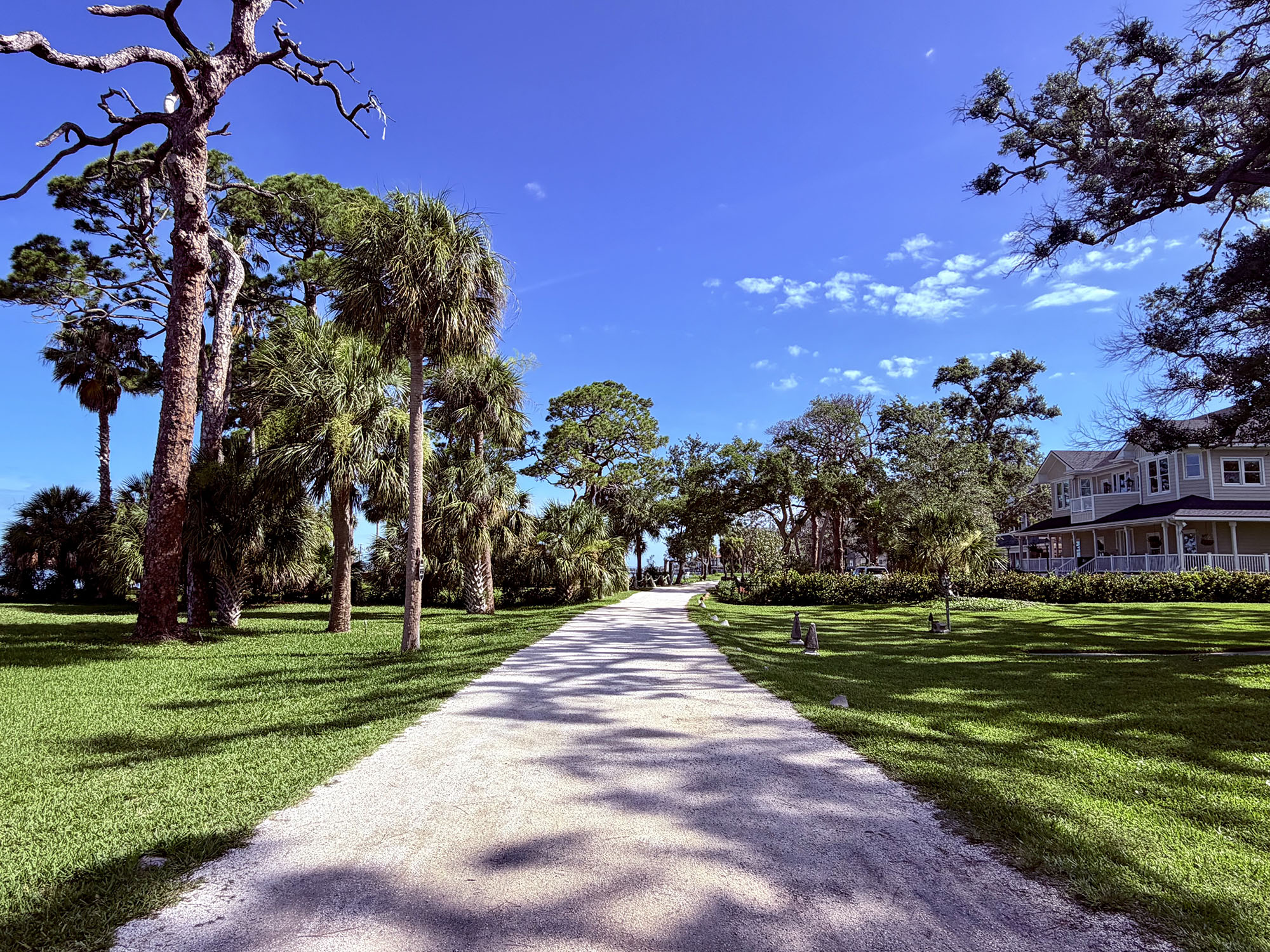
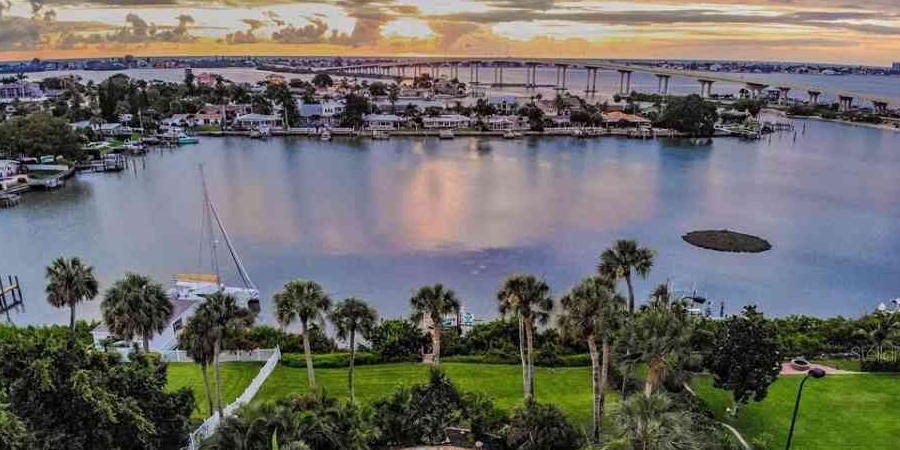
Drive the canals off Island Estates, Victoria Drive in Dunedin, or the Gulf-side streets in Belleair Beach and you will see the same scene on more lots than you used to. A mid-century ranch or a tired 1970s waterfront house sits empty. Dumpsters show up. Then the house is gone and a vacant pad remains, usually with a new survey stake and a permit board for an elevated custom home.
This is not nostalgia dying for no reason. It is math, flood rules, insurance, and land scarcity colliding on some of the most expensive dirt in Pinellas County.
The house is often worth less than the lot
Pinellas is one of the most built-out counties in Florida. True waterfront lots with dockable water, Gulf access, or open bay views almost never come to market as vacant land. When they do, buyers pay a premium for a blank slate.
Agents have said it plainly for years. Buyers will pay more for the dirt than they will for the same lot with an older house still standing. An outdated floor plan, low ceilings, small rooms, original windows, and a slab sitting at or below current flood elevation all drag the number down. Tear the house off and the lot becomes the product. That is why you see million-dollar sales followed by a demo permit.
Belleair Shore and Belleair Beach show the extreme version. On Gulf Boulevard, two homes on a double lot were demolished and the land was later marketed as a custom-build site, with one proposed estate priced in the tens of millions. The existing houses were not the asset. One hundred sixty feet of Gulf frontage was.
Dunedin had its own headline version. The 1925 Mediterranean Revival home known as the Kellogg mansion sat on Buena Vista Drive, once used by W.K. Kellogg. It listed for years, failed to find a buyer willing to restore it, and came down. Restoration estimates ran well over a million dollars. Relocating the house was estimated at $400,000 to $900,000. The empty acre later listed for $7 million. History did not beat the cost of bringing a century-old waterfront house up to modern use and modern code.
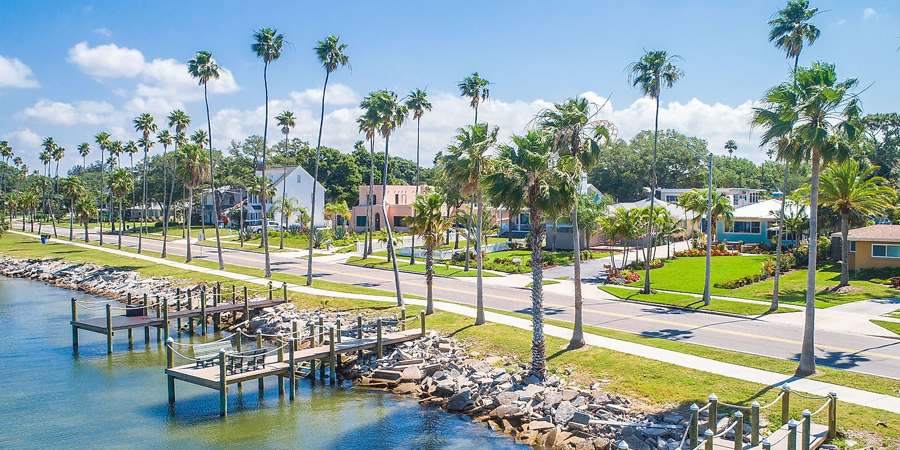
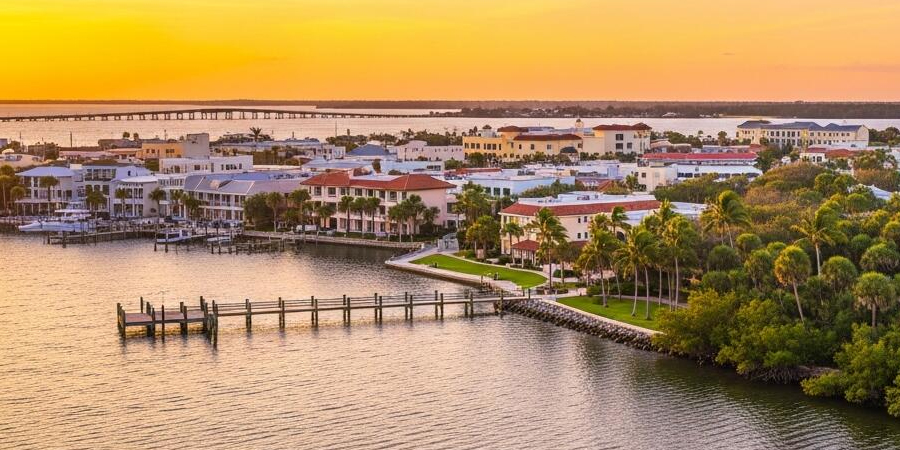
Flood maps and the 50 percent rule close the renovation door
Most of these older waterfront homes were built before current FEMA Flood Insurance Rate Maps and before Pinellas started enforcing today’s elevation standards. Many sit in AE or VE zones. New construction and substantially improved buildings in those zones must meet Base Flood Elevation plus Pinellas freeboard, typically BFE plus one foot.
That is where the 50 percent rule ends a lot of “we’ll just remodel it” plans. If repair or improvement costs hit about 49 to 50 percent of the structure’s value (not the land), the whole building must be brought into current flood code. In practice that means elevate or replace. Pinellas tightened enforcement after Hurricanes Helene and Milton in late 2024. Homes tagged as substantially damaged had until December 31, 2026 to comply.
Lifting a 1960s slab ranch is not a weekend job. Foundation lift, utility reroutes, new stairs or elevator, breakaway walls, and flood-resistant materials routinely run $150,000 to $300,000 before you touch the interior. Add impact glass, a new roof, electrical, plumbing, and a seawall that may already be failing, and the “save the old house” budget starts looking like a new-house budget with none of the new-house benefits.
Insurance follows the same logic. Older non-elevated waterfront homes carry higher flood premiums and harder underwriting. A new home built to current elevation, with a current elevation certificate, is a cleaner risk. Buyers who intend to keep the property for a decade are pricing that in before they ever talk finishes.
What the market wants is not what those houses offer
The original waterfront stock in these towns was built for a different buyer. Many Clearwater and Belleair homes from the 1950s through the 1970s are low, closed-off ranches on finger-fill lots. Dunedin’s older harbor homes have charm, but they also have small kitchens, chopped-up rooms, and little indoor-outdoor connection.
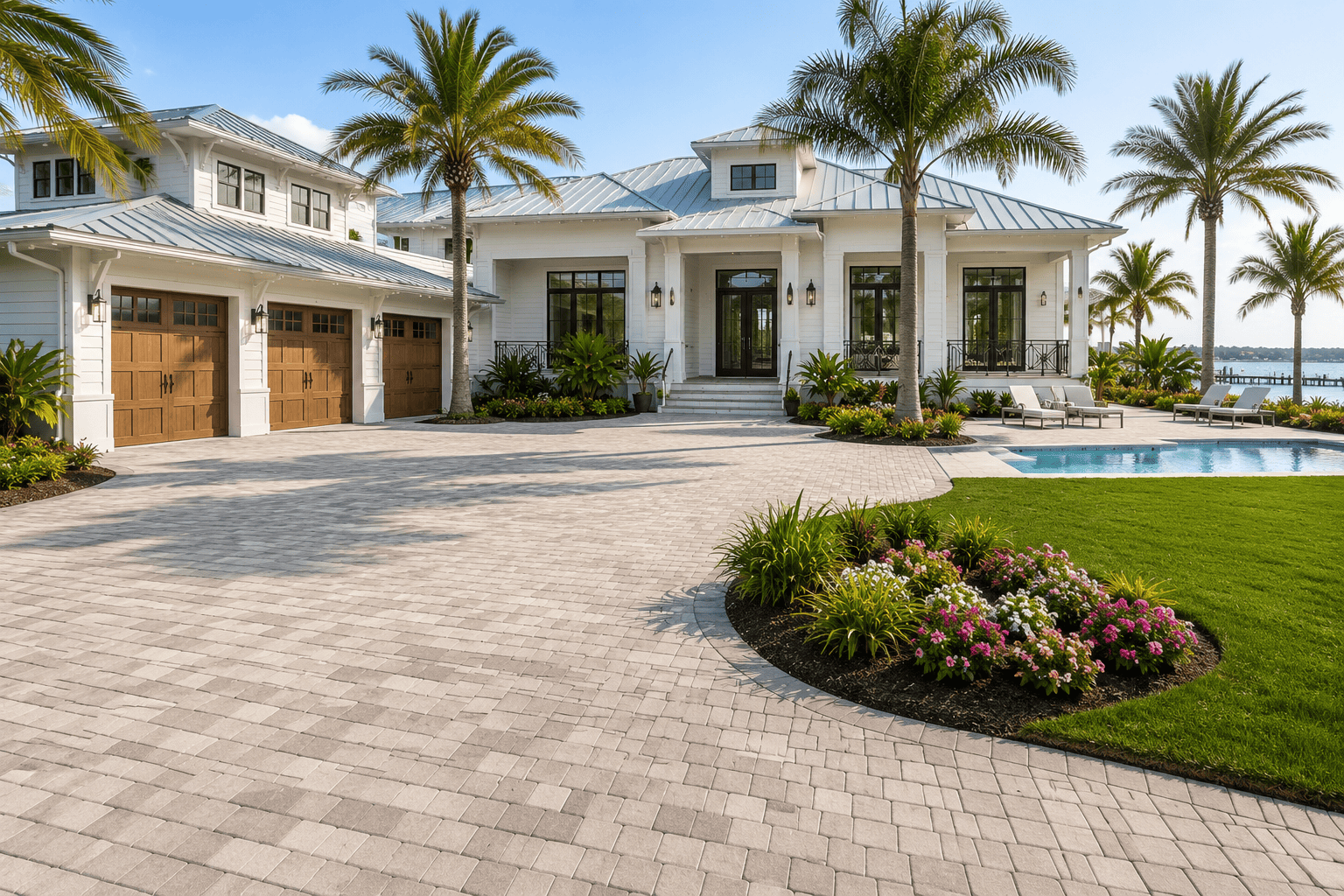
Today’s waterfront buyer wants walls of glass, higher ceilings, a primary suite that actually uses the view, outdoor living that works in humidity, a garage that fits modern vehicles, and often an elevator because the living floor is now 12 to 15 feet up. They want a dock and a seawall that will last. They want a house that can take a named storm without becoming a total-loss file.
You cannot get that out of a 1,800-square-foot 1964 ranch without spending the kind of money that triggers the 50 percent rule anyway. So the house comes down.
Contemporary design has also taken share from the old Mediterranean and ranch look. Local luxury agents have said demand for modern waterfront homes has outpaced supply for years. When the lot is already the expensive part, buyers would rather specify the house than inherit someone else’s 40-year-old compromises.
Salt, seawalls, and code do the rest
Waterfront construction ages in a specific way. Salt air eats fasteners, windows, and electrical. Older block and wood details that looked fine in 1978 fail inspection now. Seawall replacement in Pinellas often runs $500 to $1,200 per linear foot. A 100-foot wall can be $50,000 to $120,000 before you touch the house.
Florida Building Code after Andrew, Irma, Ian, and the 2024 storms is not the code these houses were built under. Impact openings, roof attachment, flood openings, and elevation are standard on new work. An older home can be upgraded piece by piece until the cumulative spend crosses the substantial-improvement line. Then you are back to elevate or rebuild.
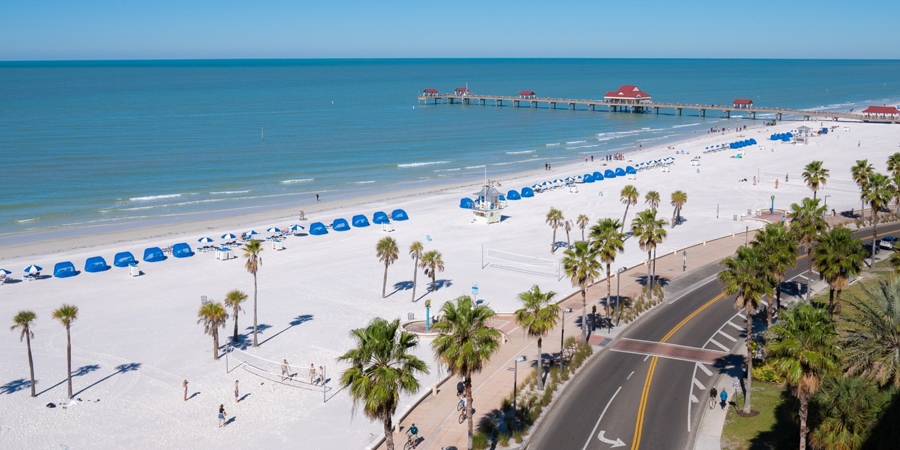
Clearwater Beach still has outliers, including the long-famous “Holdout House” on the south tip that sold near $3 million after years of resisting condo pressure. Even there, the conversation after the sale was redevelopment, not museum preservation. On a barrier island with almost no vacant land left, every lot gets measured against its highest use.
Local pattern, not a fad
Clearwater’s Island Estates and Old Clearwater Bay have seen this for more than a decade: low-lying houses, FEMA questions, and owners who start a remodel only to hit a stop-work order when demolition or cost crosses the line. Dunedin’s harbor and Victoria Drive stock is thinner every year because pre-1940 inventory only shrinks. Belleair and Belleair Beach keep the quieter, higher-end version of the same trade: older houses on golf-adjacent or Gulf lots giving way to elevated custom builds that clear current height and flood rules, sometimes after neighborhood fights over how tall the new house sits.
None of this means every old waterfront house should come down. A well-elevated, well-maintained home with a current elevation certificate, a sound seawall, and a layout that already works will still sell. The ones coming down are the ones where the structure is a discount on the land, the flood file is ugly, and a deep remodel would cost as much as a new house that actually meets code.
That is the reason the dumpsters keep showing up from Clearwater Harbor to St. Joseph Sound to Belleair’s Gulf front. The water is still the prize. The 1958 ranch sitting on it usually is not.